RingCentral Goes AI-Native: From Challenge to PMO OS
How does a ~$2.6B enterprise communications company bake AI into how it actually works?
OpenAI’s RingCentral case study is not “hire more AI engineers.” It is: put ChatGPT Work and Codex in everyone’s hands so the whole company can turn ideas into running software.
The whole company becomes a product org
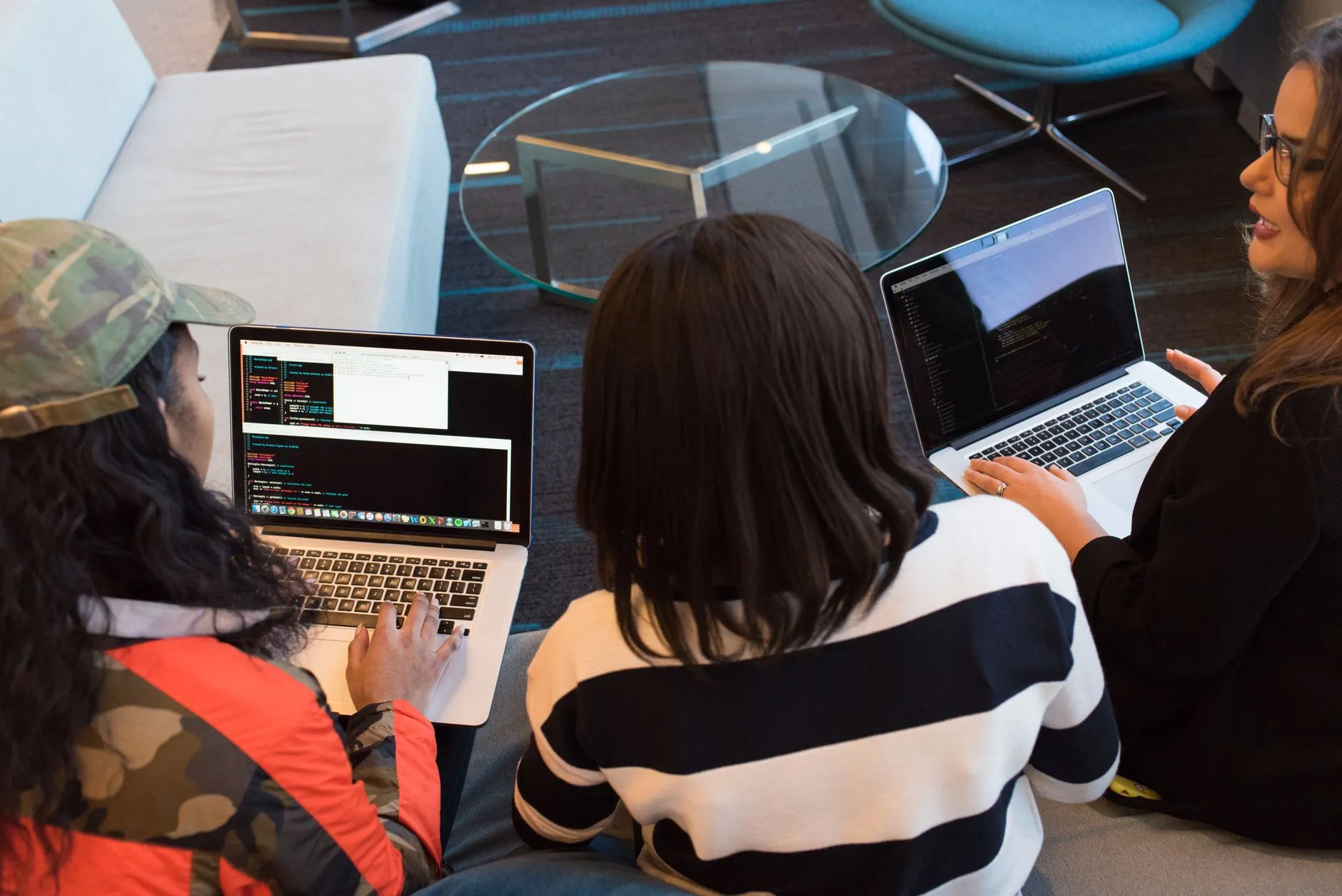
COO Kira Makagon puts it plainly: when real AI tools reach everyone, the company itself starts behaving like a product organization. RingCentral’s Agentic Voice AI portfolio — AIR (AI receptionist), AVA (real-time agent assist), ACE (post-call analytics and coaching) — gets sharper as the distance from idea to shipped feature shrinks.
That is a different path from treating AI as a sidebar Copilot. Here it is a delivery-cycle lever.

The AI-Native Challenge: CEO-sponsored, end-to-end delivery
RingCentral’s Office of the CEO ran an AI-Native Challenge to build AI fluency across a global engineering org:
- Every participant got ChatGPT Work + Codex
- Build a complete end-to-end project from scratch — no mandated workflow
- Cover planning, implementation, testing, docs, CI/CD, and iteration — not a toy kata, a real ship path
Outcome: nearly every participant produced a working repository; thousands of employees joined, including non-technical staff and executives, with functioning projects.
An engineering leader who spearheaded it summarized well:
AI-native development is not about replacing engineers — it is about amplifying them. AI accelerates the whole cycle while humans stay in the loop on requirements, business context, architecture, and verification.
The challenge is also a reusable internal model: the same Codex-enabled approach accelerates customer features for AIR, AVA, and ACE.
PMO: from experiment to a program-management OS

Non-engineering teams followed. The Program Management Office (PMO) used ChatGPT Work to build something close to a program-management operating system, replacing scattered notes and chat history for:
- Status tracking
- Reporting and notifications
- Release governance
- Knowledge transfer
A concrete win is automated status reporting: pull issues from Jira, Google Sheets, CRM, and other sources, then surface blockers, owners, and actions before meetings. PMO lead Vaneet Seth’s line captures it — ChatGPT gathers project context; ChatGPT Work turns that context into execution.
The pattern: an open invitation to experiment matures into the operational backbone for teams like PMO — less manual coordination, more projects handled with higher accuracy.
Contrast with “can AI run a startup in 24 hours?”
Recent Bottleneck Labs work handed an agent a wallet and 24 hours to grow a real iOS company; harness design and incentives mattered more than raw model IQ. RingCentral is almost the enterprise mirror:
| Dimension | Saul 24h experiment | RingCentral |
|---|---|---|
| Goal | 24h user/revenue KPI | Shrink idea-to-feature distance |
| Human role | Mostly autonomous | Requirements, architecture, verification in loop |
| Tools | Wallet + shell + browser | ChatGPT Work + Codex + existing systems |
| Outcome | Fake users, $0 revenue | Internal workflows productized + faster customer features |
Takeaway for product leaders: AI-native is not “do engineers use Cursor?” It is how many people can turn context into executable, verified delivery.
Sidebar: voice AI + OpenAI model integration
Public announcements around the same period also embed OpenAI frontier models (e.g. GPT-5.2) into RingCentral’s voice stack for AIR/AVA/ACE, with customer data not used to train public models — a key buying criterion in regulated industries. This OpenAI story focuses on org and workflow; product integration details are in RingCentral’s press release.
Source: How RingCentral builds AI-native work from engineering to ops
Comments